20 Things That Only The Most Devoted CS Case Battle Fans Understand
Navigating the Arena: A Comprehensive Guide to CS Case Battle
The world of Counter-Strike skin trading and betting has progressed dramatically over the previous decade. What began as easy player-to-player trades and fundamental lottery sites has transformed into an advanced ecosystem of interactive minigames. Amongst the most popular and awesome formats to emerge in recent years is the CS Case Battle.
For gamers aiming to enhance the excitement of opening virtual weapon surfaces, case battles offer a competitive, social, and hectic option to conventional solo unboxings. This detailed guide explores what CS Case Battles are, how they work, the techniques players utilize, and how to approach them safely.
What is a CS Case Battle?
At its core, a CS Case Battle is a multiplayer betting mechanic hosted on third-party Counter-Strike skin platforms. Rather of a single player opening a case alone in the privacy of their inventory, a case battle pits 2 or more gamers (sometimes up to 4) versus each other in real-time.
All participants in a battle contribute an equivalent buy-in-- usually figured out by the cost of the cases being opened. When the lobby is complete, the system instantly opens the picked cases for all players simultaneously over a series of rounds. The objective is easy: accumulate the greatest overall financial value of dropped skins by the end of the fight.
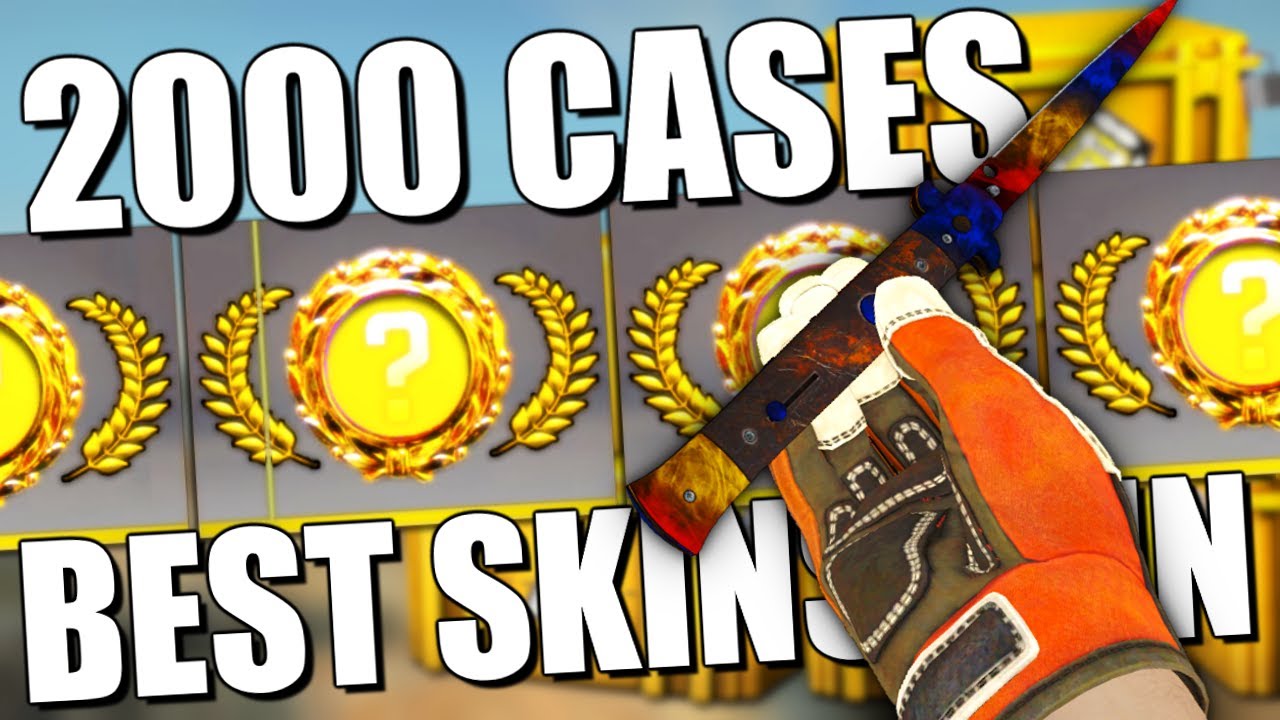
The winner takes home everything-- each and every single skin stopped by all participants throughout the match. If luck is on their side, a gamer can win products worth multiples of their preliminary buy-in. If they lose, they forfeit their invested skins.
How a Standard CS Case Battle Works
While different platforms present distinct twists, the fundamental structure of a CS Case Battle stays consistent across most respectable websites. Here is a detailed breakdown of how a match unfolds:
- Lobby Creation or Joining: A gamer creates a public or personal lobby, chooses a particular set of cases (e.g., three Danger Zone cases and two Revolution cases), and sets the gamer count (1v1, 1v1v1, or 2v2).
- Buy-In: Each individual locks in the needed funds or skins to match the total expense of the picked cases.
- The Roll: The automated system starts the unboxing series. Each round exposes a skin for each gamer in the lobby.
- Tallying the Score: A live scoreboard tracks the cumulative market price of the items won by each participant.
- The Payout: Once the last case is opened, the gamer with the highest overall value is stated the winner and gets all the items generated in the fight.
Solo Unboxing vs. CS Case Battle
To comprehend why case battles have become so popular, it helps to compare them straight to traditional solo case openings.
Function Solo Case Opening CS Case Battle Social Interaction Separated; simply single-player. Highly social; played against real opponents with live chat. Win Condition Strike a rare, high-tier item (revenue is entirely RNG-based). Out-value your opponents; you can win even with mid-tier drops if challengers struck worse items. Entertainment Value Can become tedious or disappointing quickly. High thriller, competitive rush, and spectator appeal. Home Edge/ RTP Standard site RTP uses. Requirement RTP uses, but difference is shared and amplified socially. Danger Level Repaired loss per case opened. Winner-take-all format increases volatility (higher highs, lower lows).Popular Game Modes in Case Battles
Development in the skin gaming area has actually led to several interesting variations of the standard format. Players are no longer restricted to standard 1v1 battles. A few of the most popular modes include:
- Group Battles (Free-for-All): Four gamers go into, but only one entrusts the whole reward pool. The stakes are incredibly high, however the prospective payouts are enormous.
- Team Battles (2v2): Players collaborate to pool their luck. The overall worth of Team A is compared versus Team B, cultivating a sense of camaraderie and tactical case selection.
- Terminal/ Crazy Mode: In these variants, the rules of scoring are turned. For instance, the gamer who opens the least expensive overall worth wins the whole pot, turning traditional luck completely on its head.
- Group Unboxing (Shared Loot): Some modes allow gamers to split the total pool based on a portion system, decreasing the brutal "winner-take-all" volatility for casual gamers.
Methods for CS Case Battles
While Counter-Strike case openings and battles are essentially video games of possibility governed by Random Number Generators (RNG), case battle odds skilled gamers typically employ particular bankroll management strategies to optimize their playtime and decrease devastating losses.
1. Set a Strict Budget
The hectic nature of case battles makes it easy to fall under the trap of "chasing losses." Establish a set bankroll before going into any lobby and never ever deposit more than you want to totally lose.
2. Diversify Case Selection
Rather of discarding your whole budget into a single high-roller case (like a battle featuring several covert-heavy weapon cases), consider battles with a greater volume of cheaper cases. This spreads out the RNG variance and usually leads to a more sustained, amusing session.
3. Study the Payout Distribution
Take a look at the average return-to-player (RTP) of the particular cases consisted of in a battle. Some cases have heavily top-heavy payment structures (where 90% of the worth is tied up in an unusual knife), while others offer more constant, moderate skin drops.
4. Have fun with Friends in Private Lobbies
If you desire to experience the adventure of case battles without facing ruthless, knowledgeable online sharks, set up private 1v1 lobbies with buddies. It serves as a fun, low-pressure method to take pleasure in the game mode over Discord or voice chat.
Risks and Responsible Gaming
It is crucial to acknowledge that CS Case Battles include real-world monetary risk. Due to the fact that these games utilize third-party websites (as Valve does not formally host case battles within Counter-Strike 2), gamers should navigate the scene with care.
- Platform Legitimacy: Always research a platform's reputation, withdrawal history, and provably fair systems before transferring funds or skins.
- Age Restrictions: These websites need users to be of legal gaming age in their respective jurisdictions.
- Your Home Always Wins: Remember that case opening sites are services created to generate a profit. Deal with case battles strictly as a kind of paid entertainment, not as a trustworthy investment or income.
The CS Case Battle has completely altered how the Counter-Strike community engages with weapon surfaces and unboxings. By injecting direct competitors, social engagement, and dynamic game modes into the conventional RNG formula, it uses an adrenaline-fueled experience that basic case opening just can not match.
Whether you are a skilled trader wanting to evaluate your luck or a casual viewer tuning into your favorite banner's newest lobby, understanding the mechanics, variants, and risks of case battles ensures you can browse the arena safely and wisely. Technique with caution, manage your bankroll sensibly, and may the best drop win!